Amy's Story
I started my period when I was ten years old — years before most of my friends. I developed breasts early too. At the time, it felt mostly like a social inconvenience. I had no idea how much of my life would eventually be shaped by my hormonal health.
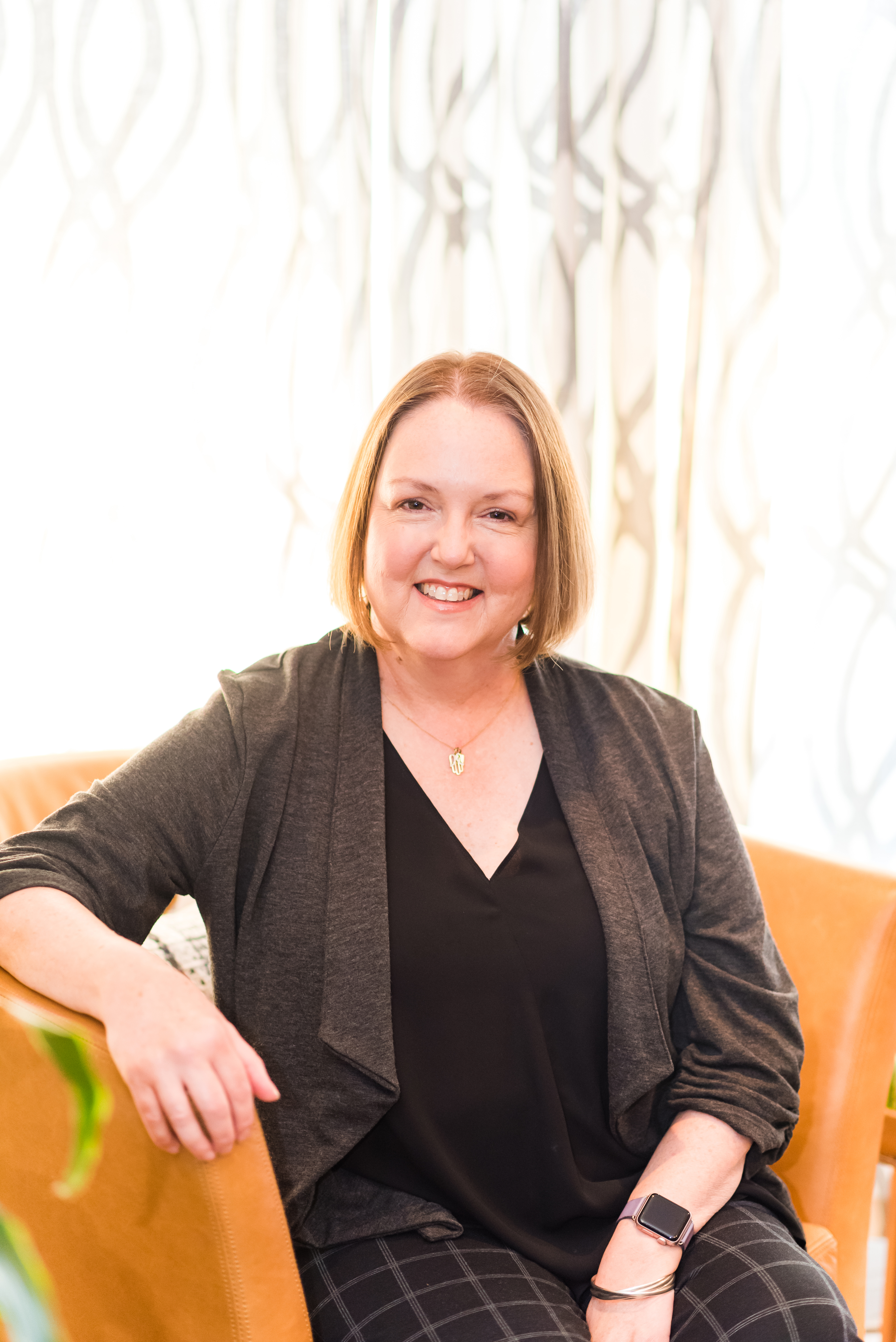
"When formal care fails to relieve suffering, women often turn to one another."
The Beginning
I started my period when I was ten years old — years before most of my friends. I developed breasts early too. At the time, it felt mostly like a social inconvenience. I had no idea how much of my life would eventually be shaped by my hormonal health.
By high school, my periods were heavy, unpredictable, and intensely painful. Every three weeks I bled. For the first several days of each cycle, pain made it difficult to walk, sleep, or participate in normal life. I bled through clothing regularly. I was told this was common — something to manage with medication and endurance.
So I learned to endure.
Seeking Help
In college and early adulthood, I structured my life around my cycles. I went to work doubled over, heating pad hidden behind my desk, because I didn’t have the option to stay home. Like many women, I normalized suffering because no one suggested there might be a different path.
One day a colleague noticed how much pain I was in. She quietly reached into her purse, pulled out a prescription bottle, and offered me one of her pills — something much stronger than anything I had been prescribed. It helped. It also wasn’t mine.
The Struggle
Moments like that reveal something important about women’s health: when formal care fails to relieve suffering, women often turn to one another. We share heating pads, advice, supplements, stories, and sometimes medications — not because it is ideal or safe, but because pain demands relief and options can feel scarce.
In my twenties, I did seek answers. I saw multiple providers — women and men — hoping someone would connect the dots. None offered a clear explanation or a path forward. Each appointment required retelling my story, undergoing exams, hoping to be taken seriously, and leaving with little change.
Over time, the effort itself became exhausting. Eventually, I stopped searching and returned to the familiar doctor who at least knew my history.
Meanwhile, other diagnoses accumulated — irritable bowel syndrome, then rheumatoid arthritis — reminders that the body is an interconnected system, even when medical care is not.
Finding Hope
In my thirties, during what I thought was a routine exam, I was told I needed surgery for an ovarian cyst and might lose an ovary. I left the office scared and uncertain, without a clear understanding of what was happening or what it might mean for my future.
During surgery, doctors discovered a “chocolate cyst” caused by endometriosis — uterine tissue growing outside the uterus, choking the ovary and spreading around surrounding organs. The cyst and visible lesions were removed, and I was told I should feel much better.
I was thirty-four.
I became pregnant once and miscarried. Fertility treatments followed — hormones, procedures, cycles of hope and disappointment. After multiple attempts, I developed another ovarian cyst requiring another surgery.
In vitro fertilization was recommended next, but by then I was physically and emotionally depleted. The process had begun to feel less like care and more like survival.
Not long afterward, new symptoms emerged: irregular cycles, severe insomnia, night waking, hot flashes, sudden weight gain, and emotional volatility that felt profoundly unfamiliar. When I suggested perimenopause, I was told I was too young.
I was prescribed progesterone, which helped regulate bleeding but did not address sleep disruption, temperature changes, mood shifts, or metabolic changes — symptoms now widely recognized as common in the menopausal transition.
At forty-one, my periods stopped completely.
Menopause
A blood test confirmed menopause. The information was delivered casually, without discussion of long-term health implications — bone density, cardiovascular risk, cognitive health, genitourinary changes, or the potential role of hormone therapy. No roadmap was offered for navigating this transition.
Just a quiet closing of a chapter that would affect every system in my body.
Looking Back
In the years since, I have reflected on this journey — sometimes wondering whether I should have pushed harder for answers, sought different providers, or made different choices. Many women carry similar self-doubt, even when the underlying issue is not personal failure but systemic gaps in education, research, and care coordination.
Today we know far more about conditions like endometriosis, the complexity of infertility, and the wide spectrum of perimenopausal experiences. We also know that women often face long diagnostic delays, fragmented care across specialties, and limited counseling about long-term health after menopause.
Why It Matters
My story is not unusual. That is precisely why it matters.
AxisHer exists because women deserve access to clear, evidence-based information and coordinated care across the full arc of hormonal life — from early cycles to midlife transitions and beyond. Pain, sleep disruption, mood changes, metabolic shifts, and reproductive challenges are not isolated events; they are interconnected aspects of health that deserve thoughtful, individualized support.
Our Collective Voice
You deserve to understand what is happening in your body. You deserve options grounded in science and care grounded in respect. You deserve to age with strength, clarity, and support.
We are building this together — not just for ourselves, but for the generations of women who will follow.
Your health. Your axis. Our collective voice.