Jennifer's Story
Growing up in a family of medicine and with a mother who advocated for women, I thought I knew how to navigate my health. It turns out I had a lot to learn.
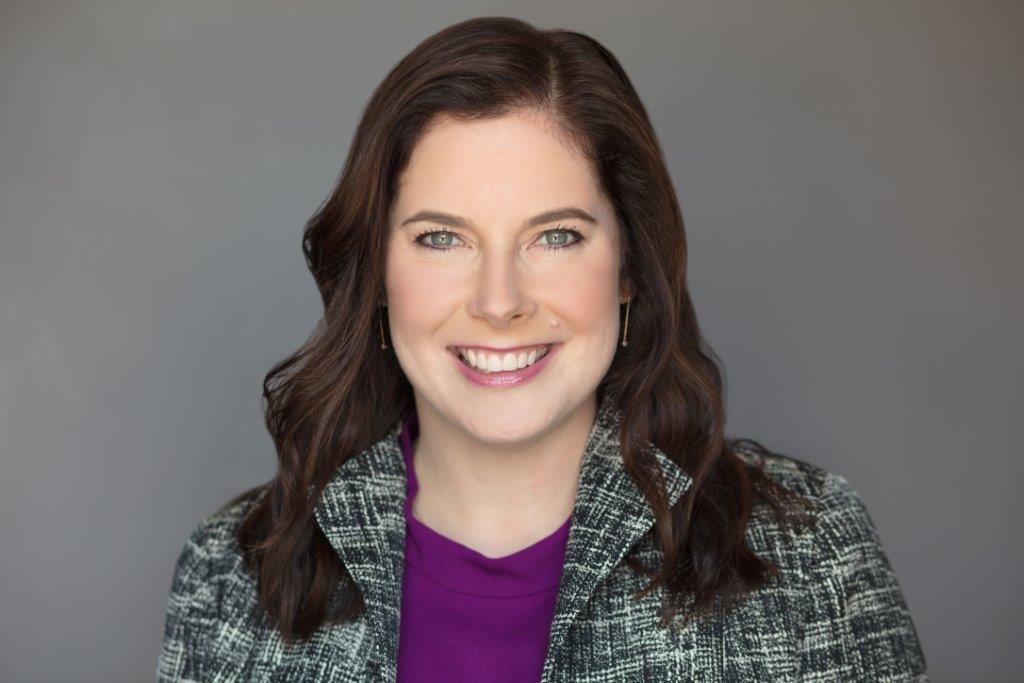
"When women understand their bodies, they can better advocate for their health."
The Beginning
Throughout my life, I would listen to my body, try to care for it, and ensure I was active in preventive measures/medicine. It wasn't until I hit my early 40s, that I begin to experience night sweats, sleep disruption, anxiety, mood swings, heart palpitations, feeling physically unable to recover from workouts, and more that I would not equate to perimenopause.
My mother never talked to me about perimenopause – probably because she didn't know what it was.
Seeking Help
I sought out support from my OBGYN, and her feedback was that I "was too young (at 42) to be experiencing these symptoms." However, she tried to treat me the best she could based on her training, with no hormone replacement therapy, which did not work.
I went for a second OBGYN opinion, and that 1st visit yielded a response that "medical management is failing, so we should look at a hysterectomy" as an option. It was explained to me by both doctors, that I would have more options for treatment when I hit menopause.
Mid-life aged women are struggling with perimenopause or menopause symptoms, often without proper support or understanding.
The Struggle
I went on for 4 more years trying to manage these symptoms only for them to worsen and to develop new ones. I felt like I was trading one set of symptoms for another.
This began to impact my work and personal life, making me feel unhinged – not myself.
Finding Hope
At 46, I had the most amazing medical experience with a physician who specialized in a peri/menopause practice. I was optimistic but unsure how I was going to receive help.
While I tried to educate myself prior to this appointment, it wasn't until after meeting this doctor that I immersed myself in building up my knowledge. I knew this is how I could advocate across my clinical team regarding my symptoms and medication.
We tried several different drug protocols to help me, but I learned that navigating these changes in midlife (1/3 of our life), require individual treatment plans. It's personalized medicine, and it made me see that when women understand their bodies, they can better advocate for their health.
Share Your Story
Every woman deserves to understand her body and have access to personalized care. Let's change the conversation around perimenopause and menopause together.
Learn More